Facilitating when you are not meeting host
The word “facilitate” means to make a process or task easier, smoother, or more efficient. It involves helping or enabling an activity or interaction to proceed more effectively by providing support, guidance, or resources. Facilitation often includes removing obstacles, offering assistance, and creating a conducive environment for achieving a particular goal or outcome.
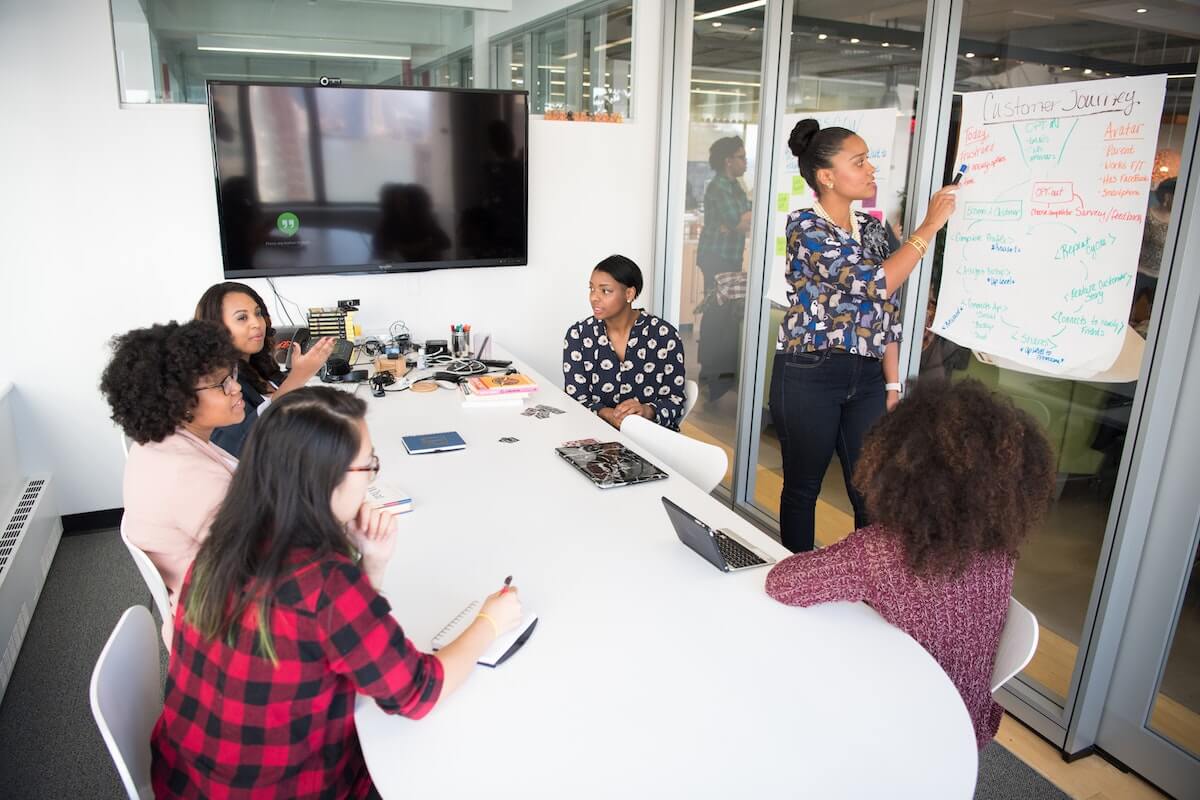
Even if you’re not the meeting host, you can apply your facilitation skills to ease the host’s responsibilities and enhance time efficiency for all participants. Each meeting should be collaborative, even if the meeting is status meeting, aim for a more collaborative environment. As an attendee, strive to contribute to making the meeting more productive and valuable.
Here are the steps you can take to be better prepared for a meeting and being able to facilitate the meeting owner and the attendees:
Before the meeting, prepare for the meeting, have a clear understanding what is the goal of meeting, even if it is a status meeting. Be clear on what team would want to know? Also make it clear only only what we will be discussing but why we are discussing it and have clear understanding of who the customer is.
During the meeting, focus on the elements that are important to all attendees. Share your status in the prospective of why others in the room could care? Instead of saying I am on tract, no update, share some information which can be useful for the rest of the attendees e.g. I am on tract and will be working with this team to get this done. May be some one else have a contact in that other team which can help speed up the work etc. Share your topic with the prospective of why others in the room would care.
Ask questions from other peoples, as this is not only give you more information but also you will be facilitating some collaboration. E.g. have you got the data ready for testing your work, I am interested to know because I may be able to use the same data. This way you are facilitating the discussion by making it easier for others to think about the questions and topic that are worth discussing while everyone is together.
Anything that is FYI put it in the writing in team collaboration space and do not waste the meeting time. If there is something you can email or message a person, do not discuss that in the meeting. Let them know that you will email that information to you. Make the meeting valuable for every one.
If the person running the meeting does not give the recap of the action items, help all the attendees by asking for the recap of the action item. You can ask “would you mind reviewing the action items, you have noted just to make sure that I have captured my items correctly and not impacting anyone else.” By helping the host to wrap up a successful meeting with clear outcomes and next steps, you will make not only your life easier but you will make the team’s life easier.
If it is meeting with large attendees, know who is joining and reach out to them to ask questions, before the meeting so that you and they are better prepared for the meeting. This way you are facilitating the meeting before it begins.
Make sure that the goal of the meeting is clarified by the meeting host. If it is not clearly communicated, facilitate the attendees by asking the question like: “So to be clear the goal of this meeting is to….”. Good facilitating questions helps everyone in the room.
Stay focused on the goal of the meeting and not the people. If the discussion seems to go to the direction which is not aligned with the goal or there seems to be a confusion on the scope, ask verification question like so would you say these things are not in scope. This will help the host to state the goal again in different perspective or words and that can be very helpful for the attendees to remain focus on the goal of the meeting. Ask focused question to facilitate understanding by all.
Offer to share information and capture information to help the host in facilitating if needed. It will make the job of the host easier.
Thank the host for their prep work and time. One way to re-articulate the goal and validate every one else time while thanking the host like “Thanks Timmy for such a great session to enusre that we all understand the project and are ready for the upcoming work.”
Ask clarifying questions to know how certain thing adds value to a customer? e.g. “why would our customer want this feature?” or “would people like to spend money on this?” or “can we walkthrough how our customers will be using this feature?” This type of questions help the team recenter on the goal when conversation seems to go to out of control.
In conclusion, the essence of facilitation lies in the art of making processes and interactions more accessible and efficient. Whether you’re the meeting host or a participant, embracing facilitation skills can significantly contribute to a collaborative and productive meeting environment along with fostering a culture of collaboration and efficiency within your team or organization.
Reference: Jamie Champagne